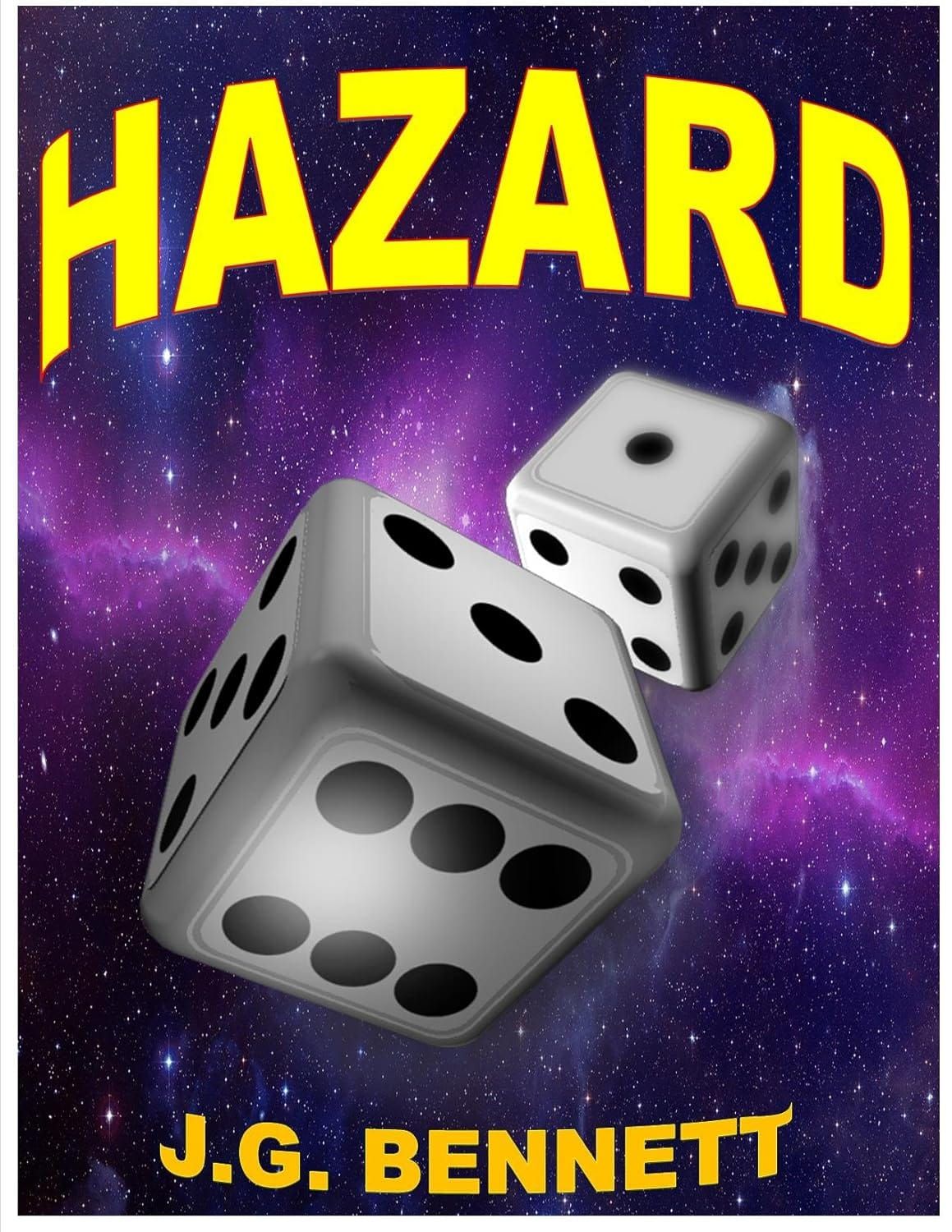
Hazard - Chapter 3 - Personal Life
True opportunity and virtue cannot exist without risk. Courage, gentleness, and honesty only become real when tested by hazard. Even beauty and truth are precarious. Intelligence is not just problem-solving, but the power to adapt to the inherent uncertainties of an ever-changing world.
Audio recorded from Speechify. Voice John (British)
At a glance
- Hazard and Opportunity: Real opportunity only exists when there is hazard. If an outcome is predetermined and safe, there is no opportunity for true gain or loss of potential. People often delude themselves into wanting opportunities without risking failure.
- Virtue Depends on Hazard: Human virtues, such as courage, gentleness, and honesty, only have meaning and only become significant within hazardous situations.
- Courage is not present in safe, predetermined acts, nor in purely self-destructive ones.
- Gentleness implies a risk of damaging something fragile.
- Honesty only exists when a person is tempted and trusted with something that could be lost or damaged.
- Industriousness is the ability to positively respond to the "petty hazards" and temptations that threaten to distract one from a chosen task.
- Beauty, Goodness, and Truth:
- Beauty is deeply connected to hazard because it relies on a "knife-edge quality"—the sense that it is very close to losing its perfection, symmetry, or harmony. Both comedy and tragedy in literature are based on hazard.
- Goodness is the will's ability to accept and transform the hazards of existence, arising from the reality of temptation rather than just a struggle with evil.
- Truth is not an absolute, immutable possession. It is inherently precarious and elusive, and reality itself is an uncertain, changing world. Recognizing this makes life full of meaning.
- Intelligence and Creativity: Intelligence is not simply the predetermined ability of a machine to solve difficult problems. Rather, intelligence is an independent power defined as the "power of adaptation to hazard". Genuine creativity goes beyond a machine selecting from existing combinations and is connected to the reality of human freedom.
- Sincerity: Sincerity carries risks, whether it is sincerity between people (the risk of unexpected betrayal) or sincerity with oneself (the risk of exposing hidden flaws or becoming obsessively introverted).
- Self-Interest: Human egoism and self-interest create internal situations of hazard, setting up a conflict between self-interest and self-denial.